
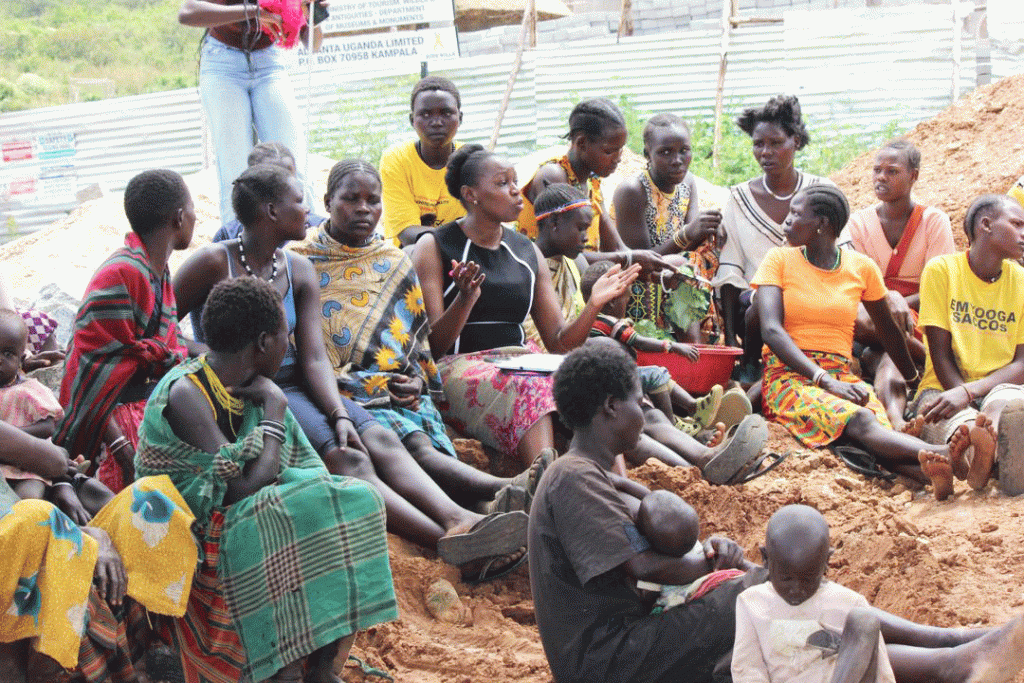
January is Human Trafficking Awareness Month, a time dedicated to raising awareness about the pervasive issue of human trafficking and the urgent need for action. Every year, millions of individuals worldwide are trapped in forced labor, sexual exploitation, and other forms of modern-day slavery. It is a global crisis that affects communities, families, and economies thriving where inequality, poverty and weak systems leave people vulnerable.
In Uganda, trafficking is both a local and cross-border problem. Women and girls are particularly at risk, often lured with promises of employment, education, or opportunities abroad, only to be trapped in exploitative labor or forced domestic work. Cases like Judge Lydia M., convicted in the UK for forcing a young Ugandan woman into unpaid domestic servitude, and other documented stories of young women deceived into exploitative work, illustrate how trafficking can occur in familiar settings as well as across borders.This month serves as a call to educate communities, advocate for justice, and support survivors on their journey to healing. At FEMJUSTICE, we stand committed to shining a light on the realities of trafficking, empowering survivors, and mobilizing efforts to end this global crisis. Together, we can create a world where every individual is safe, free, and valued.
Definition and Overview
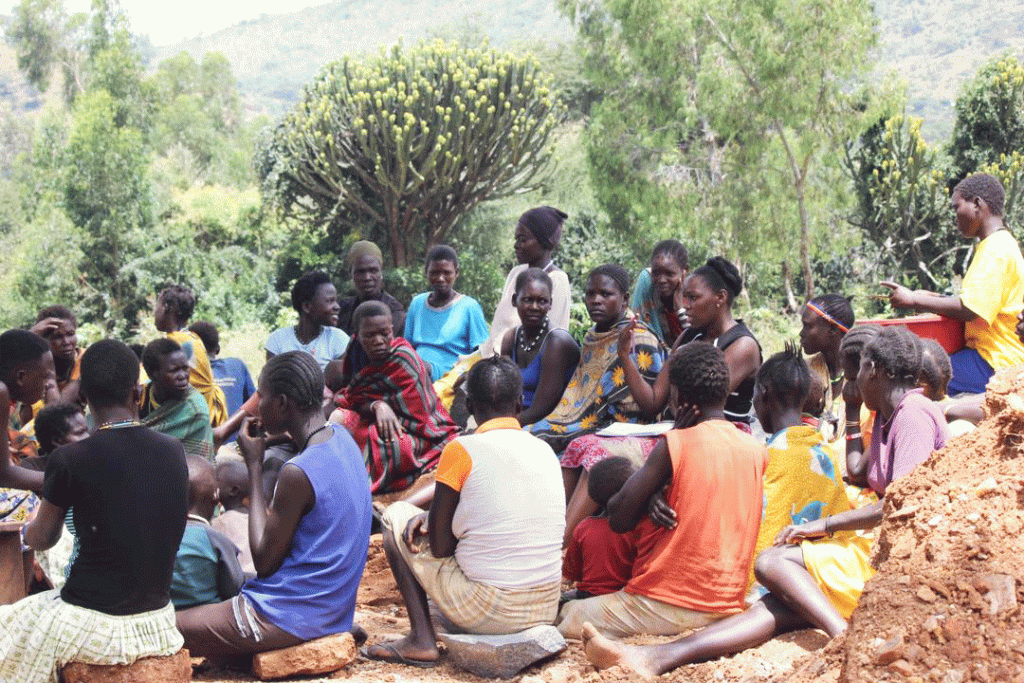
- Human Trafficking: A global crime involving the recruitment, transportation or harboring an individual using force, threats, trickery, or abuse of power to exploit them. Exploitation can include forced work, sexual abuse, or other harmful situations.
- Sex Trafficking: A form of human trafficking where individuals are compelled to engage in commercial sex acts against their will.
Causes of Human & Sex Trafficking
- Poverty: Economic hardship often drives individuals to seek risky opportunities that traffickers exploit.
- Lack of Education: Limited awareness about trafficking makes individuals more vulnerable.
- Conflict and Displacement: War, political instability, and natural disasters create environments ripe for exploitation.
- Gender Inequality: Women and girls are disproportionately targeted due to systemic inequalities.
- Demand for Cheap Labor and Commercial Sex: High demand incentivizes traffickers to exploit vulnerable individuals.
WHAT CAN WE DO?
Everyone has a part to play in preventing human trafficking. Together, we can:
- Educate communitiesabout the risks of trafficking and how to spot and report suspicious activity.
- Support survivors by providing legal guidance, counseling, and safe pathways to rebuild their lives.
- Strengthen legal enforcement and judicial systemsto stop exploitation, ensure justice, and hold traffickers accountable.

0 Comments